
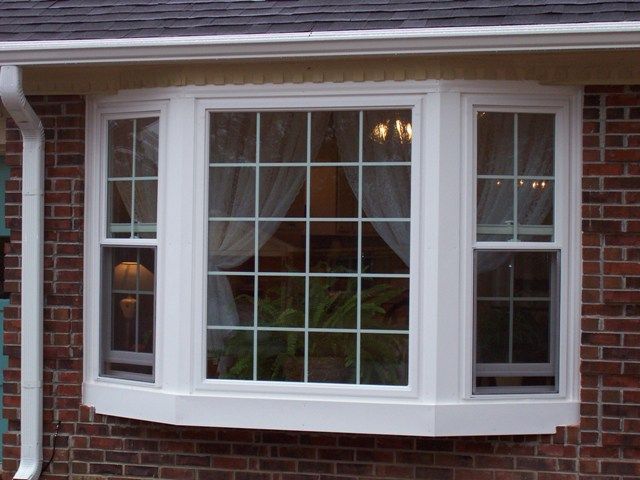
Picking the right windows for your home starts with knowing how the material changes the look and works with energy savings. Window materials come in all kinds, and each one brings something different to the table, like how well it keeps heat in or out. Imagine your windows as superheroes battling the weather—some wear armor that blocks the cold better, while others look sleek but might let more air sneak through. For anyone wanting a great mix of style and savings on bills, understanding these differences matters big time. Learning which material fits your home can save you money and headaches down the road, so dive in and discover the secret superpowers behind good windows.
1. Wooden Windows: A Classic Choice
Wooden windows have been a timeless and classic choice for homeowners. Known for their natural beauty and warmth, wooden windows can enhance the overall aesthetics of your home. They are versatile and can be painted or stained to match your interior and exterior design preferences. However, they require regular maintenance to protect them from moisture, pests, and decay.
2. Vinyl Windows: Cost-Effective and Low Maintenance
Vinyl windows have gained popularity for being cost-effective and low-maintenance. They are resistant to moisture and insects, making them an excellent choice for homeowners looking for durability. Vinyl windows also offer good energy efficiency, contributing to lower heating and cooling costs. With a variety of styles and colors available, vinyl windows provide flexibility in design without breaking the bank.
3. Aluminum Windows: Sleek and Modern
Aluminum windows are known for their sleek and modern appearance. They are lightweight and strong, making them suitable for larger window openings. While aluminum is resistant to corrosion and requires minimal maintenance, it is not as energy-efficient as some other materials. Homeowners in coastal areas may need to consider the impact of salt air on aluminum windows.
4. Fiberglass Windows: Durable and Energy-Efficient
Fiberglass windows combine the best of both worlds – they are durable and energy-efficient. These windows can withstand extreme temperatures without warping or expanding, making them a reliable choice for various climates. Fiberglass windows also require minimal maintenance and offer excellent insulation. However, they tend to be pricier compared to some other materials.

5. Composite Windows: The Perfect Blend
Composite windows are a blend of different materials, often combining wood, vinyl, and other materials to create a window that is strong, durable, and aesthetically pleasing. They offer the warmth of wood and the low maintenance of vinyl. Composite windows are also resistant to rot, decay, and insects, making them a reliable and long-lasting choice.
Making the Right Decision
Choosing the right window material depends on various factors, including your budget, maintenance preferences, and the climate in your area. If you prioritize a classic and warm look, wooden windows may be the right choice. For those on a budget, vinyl windows offer a cost-effective and low-maintenance solution. Homeowners looking for a modern appearance might lean towards aluminum, while those prioritizing durability and energy efficiency may opt for fiberglass or composite windows.
In conclusion, there is no one-size-fits-all answer when it comes to window replacement materials. Each material has its advantages and drawbacks, and the best choice depends on your specific needs and preferences. Take the time to assess your priorities, consult with professionals, and make an informed decision that enhances the beauty, functionality, and energy efficiency of your home.