
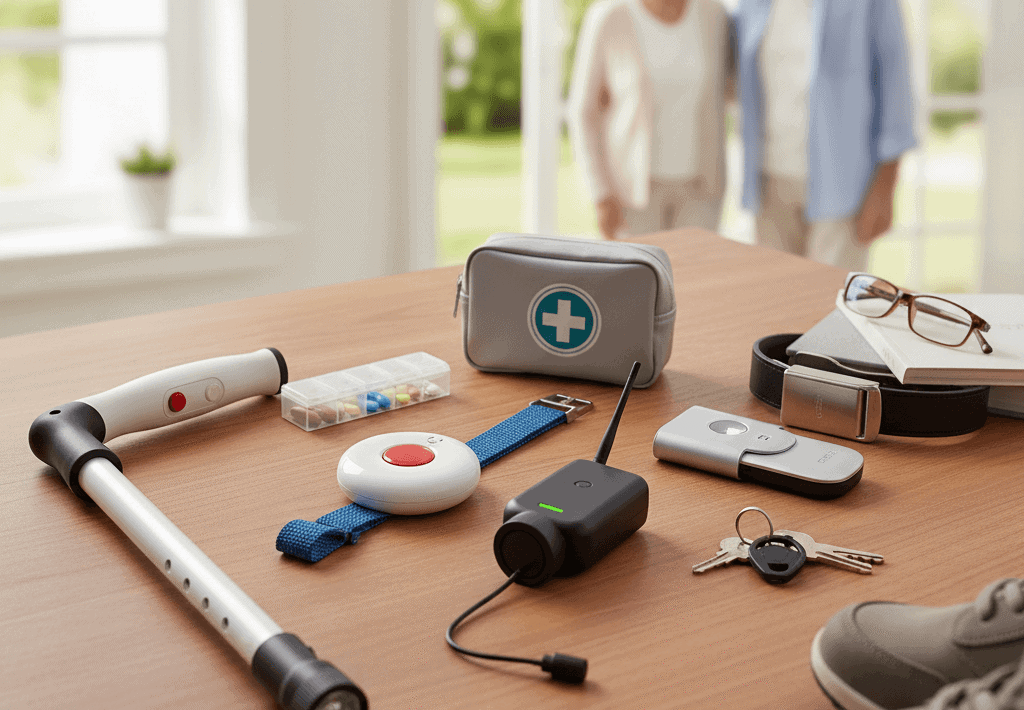
Ensuring the safety and peace of mind for our senior loved ones is a priority for many families. As we age, everyday tasks can sometimes present unexpected challenges, and having a reliable support system in place becomes even more important. I have seen firsthand how much comfort a well-chosen safety solution can provide, not just for the senior individual but also for their family members who care deeply about their well-being.
Modern technology has given us access to tools that greatly improve personal security for seniors. These advancements offer solutions that help maintain independence while also providing a crucial lifeline in times of need. When I think about senior safety, personal alarms quickly come to mind as a foundational element of any complete safety kit.
These alarms are designed to be simple to use but powerful in their ability to connect individuals with help. My goal is to share what I know about these devices so you can make informed choices. We will look at what makes up a truly effective senior personal alarm system and how to choose the right one.
Understanding Senior Personal Alarms
Senior personal alarms are systems designed to provide immediate assistance during an emergency. They are often small, wearable devices that allow an individual to call for help with the push of a button. These systems connect to a monitoring center or designated contacts, providing a rapid response when needed.
I have learned that the core idea behind these alarms is to empower seniors to live independently without fear of being unable to get help. This gives them confidence in their daily lives. It also offers peace of mind to family members who might live far away or have busy schedules. Understanding how these devices work can help demystify the technology.
How Personal Alarms Provide Immediate Support
The basic function of a personal alarm is straightforward. When a senior presses the button on their wearable device, it sends a signal to a base unit in their home. This base unit then connects to a monitoring center using a phone line or cellular service. Operators at the center quickly assess the situation and dispatch emergency services or contact family members based on a pre-established plan. It is a reliable chain of events that moves very fast.
Some advanced systems include automatic fall detection, which I find incredibly useful. These alarms can sense a sudden impact and call for help even if the user is unconscious or unable to press the button. This feature adds an extra layer of protection, especially for those at higher risk of falls. You can see how it works to give seniors a vital safety net.
The monitoring centers typically operate 24/7, every day of the year. This constant availability means help is always just a button press away, no matter the time. I believe this round-the-clock service is a key factor in why so many families trust these systems. It means someone is always there to respond, day or night.
Different Types of Safety Devices for Seniors
When we talk about senior personal alarms, we are really talking about a range of devices. There is no one-size-fits-all solution, and understanding the different options helps in making the best choice. I have explored many types of devices, and each offers unique benefits depending on a senior’s lifestyle and specific needs.
Some seniors are very active and spend a lot of time outside their homes. Other seniors might prefer to stay mostly at home. Matching the device to the person is a big part of finding a safety solution that will actually be used and relied upon. We should always consider how a device fits into a senior’s routine.
Home-Based Personal Alarms
These systems are designed for use within the home. They usually consist of a base unit that plugs into a power outlet and a phone line or uses cellular technology. The senior wears a lightweight pendant or wristband with a call button. The range of the wearable device from the base unit can vary, so it is important to check if it covers the entire home, including the bathroom and yard.
I often suggest these systems for individuals who spend most of their time at home and do not require protection when they are out and about. They are typically straightforward to set up and use. The consistency of the connection within the home environment is a major advantage of these traditional systems. They offer a simple and effective safety measure.
Mobile Personal Alarms
For seniors who lead a more active lifestyle, mobile personal alarms are an excellent option. These devices often include GPS tracking and cellular connectivity, so they work both inside and outside the home. They can be worn as a pendant, clipped onto clothing, or even integrated into a smartwatch.
I have seen how these mobile units provide a greater sense of freedom. A senior can go for a walk, visit friends, or run errands knowing that help is accessible wherever they are. The GPS feature is particularly useful because it allows emergency responders to pinpoint the user’s location, even if they cannot speak. This adds a critical layer of security for independent seniors. These devices are truly portable safety kits.
Choosing the Right Senior Personal Alarm for Your Needs
Selecting the right personal alarm means thinking carefully about several factors. It is not just about picking the most expensive or feature-rich device. It is about finding a system that truly matches the individual’s lifestyle, health conditions, and personal preferences. I always advise families to have an open conversation with their senior loved ones about what they feel comfortable using.
A personal alarm is only effective if it is worn and used consistently. So comfort and ease of use are paramount. We want to choose a device that feels natural and not cumbersome. This ensures it becomes a seamless part of daily life. I believe the best choice is one that empowers the user.
Considering Lifestyle and Activity Levels
A senior who enjoys gardening and walks in the park will benefit more from a mobile alarm with GPS. Someone who rarely leaves the house might find a home-based system more suitable and less intimidating. Their daily habits should guide the decision.
Consider the places they frequent. Do they visit a community center, go grocery shopping, or attend social gatherings? If so, a mobile alarm ensures their safety extends beyond their doorstep. If their world is primarily within their home, then a robust in-home system is likely sufficient. Matching the alarm type to their routine means it is always there when they need it.
Evaluating Health Conditions and Special Needs
Some health conditions directly influence the type of alarm needed. For seniors prone to falls, automatic fall detection is a non-negotiable feature. If a senior has difficulty with fine motor skills, a large, easy-to-press button is crucial. We must think about their physical abilities.
For those with cognitive impairments, a simpler device with fewer functions might be better to avoid confusion. Some systems also offer medication reminders, which can be very helpful for managing daily health. I have found that personalized solutions lead to better outcomes and greater adherence to wearing the device. A well-chosen alarm becomes a trusted companion.
Key Features to Look for in a Safety Kit
Beyond the basic function of calling for help, many senior personal alarms offer additional features that enhance their value. When I evaluate these systems, I look for specific elements that contribute to a truly complete safety kit. These features can make a significant difference in both convenience and effectiveness during an emergency. It is wise to consider these extra benefits.
Thinking about these features beforehand helps in comparing different products. It means we can select a system that provides comprehensive support. I want to make sure the chosen alarm not only calls for help but also addresses other aspects of a senior’s safety and daily living. This creates a holistic approach to care.
Battery Life and Waterproof Design
A long battery life is essential for any wearable alarm. It ensures the device is always ready when needed and reduces the frequency of charging. I look for devices that can last for several days on a single charge or those that offer easy charging solutions. A dead battery makes the best alarm useless.
Equally important is a waterproof design. Accidents can happen anywhere, including in the shower or bath where slips are common. A waterproof alarm means seniors can wear it at all times, even in high-risk wet environments. This continuous protection is a cornerstone of effective safety planning. It provides constant assurance.
Two-Way Communication and GPS Tracking
Two-way communication allows the user to speak directly with the monitoring center through the alarm device. This feature is invaluable because it lets the senior explain their situation and receive reassurance. It helps operators understand the severity of the emergency, leading to a more appropriate response. I consider this a must-have feature for clear communication.
For mobile alarms, GPS tracking provides accurate location information, which is critical if a senior is disoriented or in an unfamiliar place. It speeds up response times by directing help precisely where it is needed. I have heard many stories where GPS saved precious time, and that time can be life-saving in an emergency. It is a powerful safety tool.
Beyond Alarms: Creating a Full Safety Plan
While senior personal alarms are a vital component, they are just one part of a comprehensive safety strategy. A truly complete safety kit includes not only technology but also proactive measures and a strong support network. I always emphasize that technology works best when integrated into a broader plan. We need to think about the whole picture.
A holistic approach ensures that seniors are protected from various risks. It covers everything from preventing falls to ensuring their home environment is secure. My experience shows that combining different strategies creates the most robust safety net. This empowers seniors to live safely and confidently.
Home Safety Modifications
Making simple modifications to the home environment can significantly reduce the risk of accidents. I often recommend installing grab bars in bathrooms, adding brighter lighting, and removing tripping hazards like loose rugs. Non-slip mats in showers and well-placed handrails on staircases are also very beneficial. These small changes can make a big difference.
Ensuring clear pathways and easy access to frequently used items can also prevent falls. I also suggest making sure smoke detectors and carbon monoxide detectors are in good working order. These checks are crucial for overall home safety. A safe home environment is the first line of defense.
Building a Strong Support Network
A personal alarm is excellent, but a human touch remains irreplaceable. Establishing a network of trusted contacts, including family, friends, and neighbors, is important. These individuals can check in regularly, offer assistance, and be secondary contacts in case of an emergency alert. I find that regular social interaction also boosts a senior’s mental and emotional well-being.
Ensuring that key contacts know about the personal alarm system and how it works is also important. They should know what to do if they receive an alert. This coordination ensures a quicker and more effective response in any situation. A strong community adds a layer of comfort and support.
Making the Most of Your Senior Personal Alarms
Having a senior personal alarm is the first step, but knowing how to use it effectively and integrating it into daily life is just as important. I always encourage seniors and their families to familiarize themselves with the device and its features. This understanding builds confidence and ensures the alarm is a true asset. Regular practice helps everyone feel prepared.
Maximizing the benefits of a personal alarm involves more than just wearing it. It means understanding its capabilities and limitations. We want to ensure that it is used correctly and that all necessary information is up to date. This proactive approach ensures it functions optimally when it truly matters.
Regular Testing and Maintenance
Like any electronic device, personal alarms need regular testing to ensure they are functioning correctly. I advise seniors to test their alarm button at least once a month. This can be a simple test call to the monitoring center to confirm the connection works. It is important to confirm everything is in order.
Checking the battery life regularly and recharging or replacing batteries as needed is also crucial. Keeping the device clean and free from dust or debris helps maintain its performance. These small maintenance tasks ensure the system remains reliable over time. They are simple steps that provide big returns in safety.
Updating Contact Information and Medical Details
The monitoring center relies on accurate information to provide the best response during an emergency. This includes up-to-date contact numbers for family members, doctors, and emergency services. I always tell people to review and update this information periodically, especially after any changes in health status or living arrangements.
Providing essential medical details, such as allergies, current medications, and pre-existing conditions, can also be lifesaving. This information allows emergency responders to provide appropriate care immediately upon arrival. Keeping these details current ensures the alarm system is always ready to support you effectively. This preparation is a sign of true care.
A Complete Safety Kit for Peace of Mind
Having a senior personal alarm system is a critical step in building a complete safety kit for our senior loved ones. I have seen how these devices empower individuals to live more independently, knowing that help is always at hand. From understanding the different types of alarms to recognizing key features like fall detection and two-way communication, making an informed choice is essential. Remember that the best alarm is one that fits the individual’s lifestyle and is worn consistently.
Beyond the technology, creating a full safety plan involves proactive steps. This includes making home safety modifications to prevent accidents and building a strong, responsive support network. Regular testing and maintenance of the alarm system, along with keeping contact and medical information up to date, are vital for its effectiveness. My experience confirms that these combined efforts offer the best protection.
Investing in a senior personal alarm and a comprehensive safety strategy brings immense peace of mind to everyone involved. It allows seniors to maintain their dignity and independence, while giving families the assurance that their loved ones are safe and supported. I encourage you to explore these options and create a safety plan that works for your unique situation. Take action today to enhance safety and bring greater peace of mind to your family.