
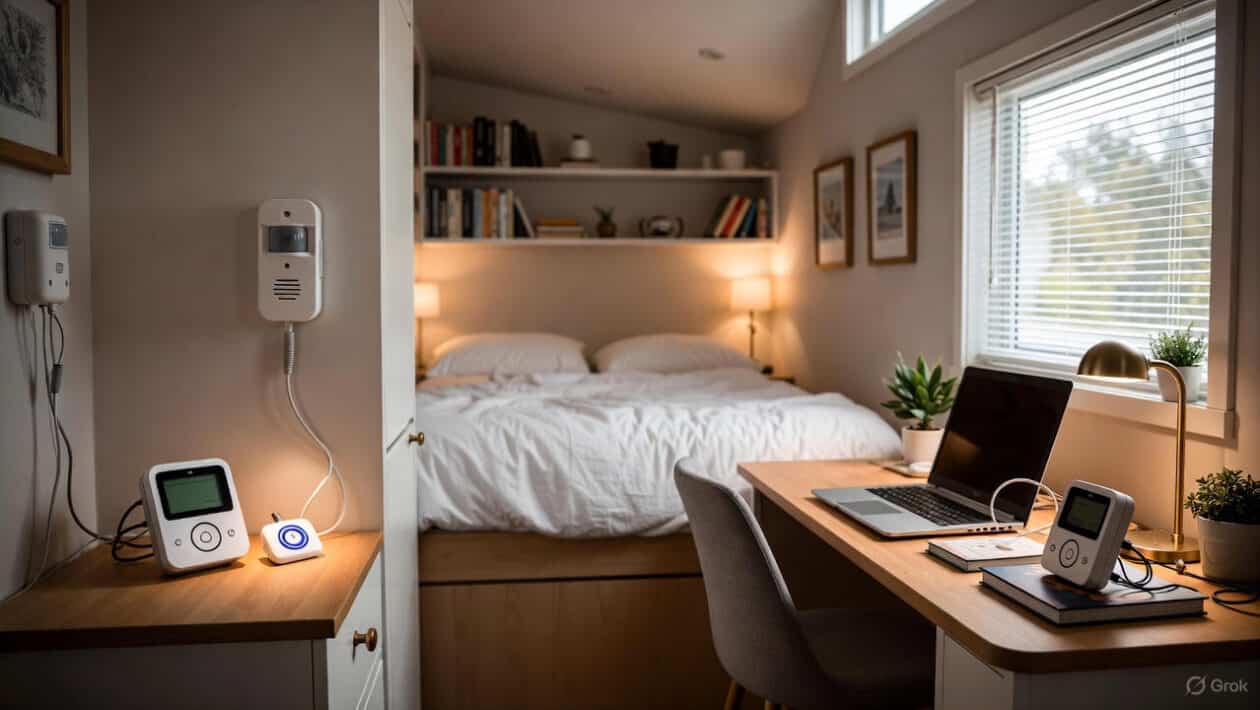
Living in a tiny home changes how people think about safety needs. With limited square footage comes a smaller margin for error when a medical event occurs. That makes well chosen medical alert systems a critical part of planning and daily life for many residents.
This article covers practical ways to integrate medical alerts into compact living spaces. I will explain what features matter most in tiny homes and share placement tips, device choices, power strategies, and real examples that show how small setups can be both effective and unobtrusive.
Tiny Homes Medical Alerts Maximizing Safety in Small Spaces with clear priorities
When space is tight every decision counts. For medical alerts that means focusing on three priorities. First is immediate access to help. Second is reliable connectivity inside and outside the structure. Third is a low footprint so alerts do not interfere with daily living.
For many people a wearable button combined with a base station hits those targets. The wearable gives instant access anywhere in or near the home. The base station uses home power and a backup battery to extend coverage and reach emergency responders or monitoring centers. Selecting equipment with a small physical profile keeps the interior uncluttered.
Key features of medical alert systems suitable for small spaces
Selecting equipment for a tiny home means evaluating features against real life conditions. These items matter more in a small home than in a larger house.
- Range and signal strength that work through walls and metal surfaces
- Battery life for wearables and base units to limit charging chores
- Two way communication so users can speak with help without moving
- Water resistance for use in bathroom and shower areas
- Easy charging options that fit limited counter space
Wearable versus fixed devices
Wearables remain the mainstay for many tiny home residents. They follow the person and reduce the chance of getting stranded away from a fixed button. Fixed buttons or panic stations still play a role near beds and work areas. A layered approach uses both types without consuming much room.
Connectivity options to weigh
Look at cellular only systems and cellular plus landline models. If the tiny home is off grid or in a location with spotty cell coverage consider systems that use multiple cellular carriers or a local monitoring center with fall detection. Wi Fi only systems can work if the router covers the whole interior and the internet service is reliable.
Placement strategies for devices in tiny homes
Placement is where small houses present unique challenges. A single misplaced base unit can lead to dead spots because compact dwellings often have metal or dense cabinetry that interferes with signals.
- Mount base units high on a shelf free of metal to improve line of sight
- Keep charging docks in locations where users naturally stop for a moment
- Install fixed call buttons near the bed and in the bathroom where falls are more likely
- Use magnetic wearable chargers that attach to vertical surfaces to save counter space
One practical tip is to treat the home like a small office for signal flow. A small router or signal booster positioned centrally can improve coverage for both internet and cellular repeaters. Add soft furnishings to reduce echo and feedback for two way communication.
Power connectivity and redundancy considerations for small setups
Power is a constant issue when floor area is small and outlets are in short supply. Planning for uninterrupted service with minimal equipment is the goal.
- Choose devices with long standby time to reduce charging frequency
- Use multiport USB chargers to keep wearable and phone charging condensed
- Consider a compact uninterruptible power supply for the base unit in areas prone to outages
- If living off grid use a small battery bank sized to cover the base unit for at least 24 hours
Backup plans for internet and cell failures
A cellular based medical alert adds independence from home internet. For those relying on Wi Fi choose a secondary path like a hotspot device or a battery powered cellular backup. Some base stations accept a SIM card as a failover which is a good fit for small homes where wiring options are limited.
Charging habits that fit tiny home life
Make charging habitual by placing docks where daily routines happen. A wearable on a nightstand or a magnetic charger on a kitchen cabinet face works better than hidden drawers. Labeling cords and using compact cable organizers keeps a small space tidy and reduces the chance of missed charges.
Real life examples of tiny homes medical alerts in use
Examining examples helps show what works in practice.
- Example one A retired couple living in a 250 square foot house used a wearable and a small base unit mounted above the kitchen cabinet. The base station was connected to a small UPS. The couple placed a fixed button near the shower and found response times improved because they had two contact methods
- Example two A single occupant in a tiny unit on a rural lot chose a cellular only system with a secondary SIM for a different carrier. This reduced false alarms and provided consistent coverage while gardening or walking the property
- Example three A person with mobility limitations added a fall detection pendant and added a second wearable for nighttime use. Small charging pads in the bedroom and at the kitchenette kept devices powered without extra furniture
These situations show that choices depend on routine and environment. Small changes in placement and redundancy produce measurable improvements in response and usability for residents.
Cost installation and maintenance tips for small homes
Budgeting for an alert system involves more than price of the device. Consider monitoring fees, optional fall detection costs and replacement wearables. In tiny homes some costs drop because fewer devices are needed. Other costs rise because of the need for redundancy to cover dead spots.
- Compare monthly monitoring plans with self reporting options when family members agree to check in
- Factor in the cost of a compact UPS or power bank if outages are common
- Ask vendors about trade in or upgrade discounts to keep the system current without replacing everything
- Plan for battery replacements every few years for base units and annually for some wearables depending on use
Installation for most modern systems is straightforward. Many units arrive ready to operate out of the box with guided setup. If you choose a wired connection to a generator or solar inverter consult a local electrician who understands small dwelling systems to avoid overloads on shared circuits.
Choosing the right provider and planning for long term living
Selecting a company to monitor or service the equipment matters. Look for a provider with clear response protocols and an option to name emergency contacts. Ask about testing procedures and how alerts are handled at different hours. Reviews from people who live in small houses can reveal quirks that do not show up in standard product pages.
For design and layout inspiration that pairs tiny home structures with integrated safety planning see the resources from Tiny House Plans. The guide details layout options and shows where alert devices placed well can deliver coverage without clutter.
Regular testing is often overlooked. A simple weekly check where you press the button and confirm a connection can catch low battery or service interruptions before they matter. Keep a short checklist taped inside a cabinet so everyone in the household follows the same routine.
Wrapping up make decisions based on daily behavior. If residents spend many hours outdoors have coverage options that extend beyond the footprint of the home. If most time is indoors focus on unobtrusive wearables and a well placed base unit. The goal is a system that feels natural rather than intrusive while delivering reliable access to help.
Conclusion
Tiny homes require a different approach to emergency alerts. Space constraints make placement and device choice crucial. A layered plan that uses a wearable button plus a compact base station covers the most ground with minimal equipment. Prioritize signal strength, battery management and backup pathways to keep systems working when they are needed. Real world examples show that modest investments in redundancy and better placement yield faster response and fewer false alarms.
Take a few practical steps this week. Map out where you spend the most time and note areas that need coverage. Test a wearable with a short range base station to check for dead zones. If you plan a new build place wiring and mounting points for a base unit during the design phase to avoid later alterations. Finally review monitoring plans and choose one that fits the daily routines of the household. Acting now increases safety and keeps the living area uncluttered. If you want further design ideas review the linked guide and then pick a small, staged upgrade to try this month.